Magnolia River Watershed Restoration in Baldwin County: What the 130-Acre Project Means for Life on the Water
If you've searched the Magnolia River in Baldwin County, Alabama — whether you're planning a move, researching waterfront living, or you already spend your weekends on the water here — there's a project underway you'll want to understand. Baldwin County is advancing a restoration effort across 130 acres of the Magnolia River watershed, and while you'll likely never stand on the site yourself, it's the kind of work that shapes the water quality, wildlife, and recreation that draw people to this part of the Gulf Coast in the first place.
Here's a plain-language look at what the project is, why it matters, and how upstream land use should factor into your thinking if you're considering a home near the water.
What the Magnolia River restoration project includes
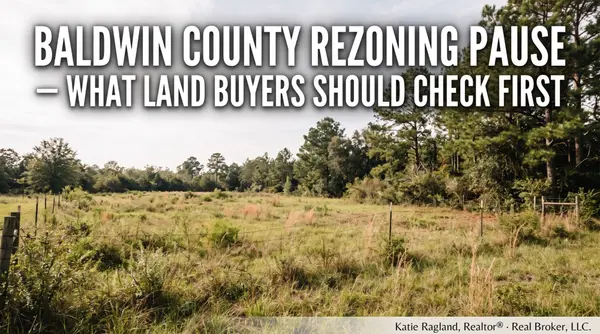
Baldwin County's Planning Department and forestry officials toured the future Magnolia River Watershed Constructed Wetlands and Habitat Restoration Project — a 130-acre site set to include constructed wetlands, native habitat improvements, and the replanting of up to 40 acres of longleaf pine. Representatives from forestry agencies across the Southeast attended the tour, a signal that the project is being approached seriously and with regional interest.
In short: this is a land-and-water health project, not a development. The goal is to restore how the land upstream functions so the river downstream stays healthy.
Why longleaf pine is part of the plan
Longleaf pine once covered a vast stretch of the Gulf Coast and the broader Southeast. Most of that historic range has been lost over time, so restoring even 40 acres is meaningful. Longleaf and the ecosystem around it do several practical jobs:
They stabilize soil. Deep, established root systems hold ground in place and reduce erosion.
They filter runoff. The land beneath native pine and understory helps capture sediment and runoff before it reaches the river, which supports cleaner water downstream.
They support wildlife. Restored habitat gives birds, pollinators, and other species somewhere to live — part of what makes the Magnolia River area feel alive to anyone who spends time on it.
How constructed wetlands help the watershed
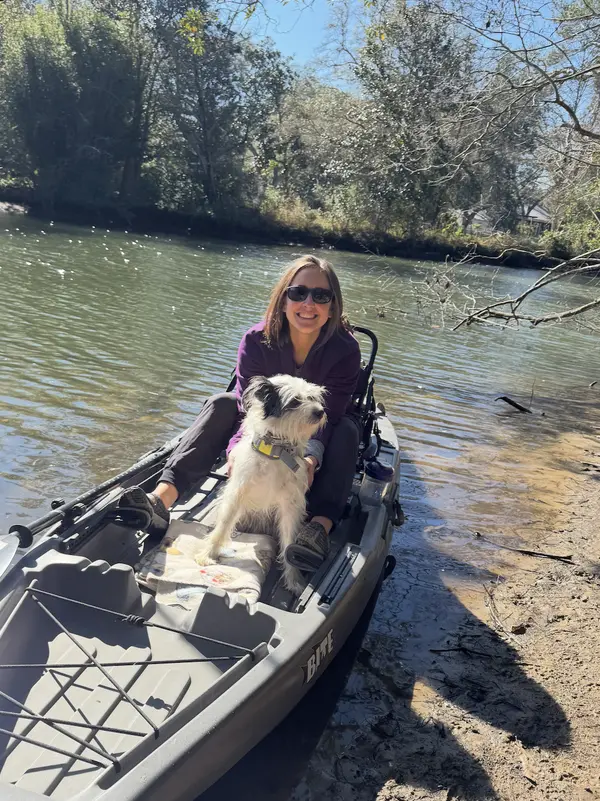
Constructed wetlands are engineered natural systems designed to slow water down and let it spread out. As water moves through them, natural processes filter and clean it before it continues downstream. Paired with habitat restoration, wetlands are a proven, low-profile way to protect a river's long-term health. You won't notice the mechanics from a kayak — but the result is water that stays worth spending time on.
Why upstream land use matters when you buy near water
Here's the part most waterfront buyers overlook. When you tour a property on or near the water, it's natural to focus on the view, the dock, and the frontage — the features you can see and photograph. But a river reflects everything happening on the land that drains into it. Clean, healthy water downstream is a direct result of healthy land upstream.
That's why a watershed restoration project is relevant to anyone considering a home in the area. It's a long-horizon investment in the thing that makes the location desirable to begin with: the water, the fishing, the wildlife, and the quiet. When you're evaluating a waterfront or water-adjacent property, it's worth asking what's happening in the broader watershed, not just at the water's edge.
A few questions worth asking if you're relocating near the Gulf Coast water
What is the broader watershed like, and are there conservation or restoration efforts in the area?
What kind of water access is nearby — boat launches, kayak put-ins, public shoreline?
How does the surrounding land drain, and what sits upstream?
What does daily life on the water actually look like across the seasons?
These are the kinds of questions I walk through with buyers who are moving to the Gulf Coast specifically for the water lifestyle. The view is only part of the picture — what protects that view over time is the rest of it.
A note on how I work this area
I live and work most heavily in Elberta, Foley, and mainland Gulf Shores, and I serve the broader Alabama Gulf Coast and Florida panhandle, including the Magnolia River area. I won't claim to know every bend of this particular river the way a lifelong local might — but I can help you understand how a place fits what you're actually looking for, and what to pay attention to before you commit. Patient, long-term stewardship like this restoration project is exactly the kind of thing I point buyers toward when they ask what makes an area worth settling into.
If you're researching a move to Baldwin County or anywhere along the Alabama and Florida Gulf Coast, and you want a steady guide who'll help you see the whole picture — not just the listing photos — reach out anytime.
Katie Ragland, Realtor® · Real Broker, LLC · · linktr.ee/katieraglandrealtor®
Categories
Recent Posts