What's New in Foley, Alabama: Library, Downtown Dining, and the Growth Worth Watching
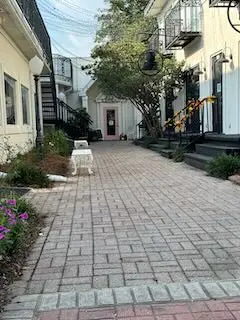
If you're researching Foley, Alabama for a move — or you already live in South Baldwin County and want to know what's changing — the short answer is: a lot, and not only the projects making headlines. This is a guide to what's genuinely new in and around downtown Foley, why each piece matters for daily life, and how to read a growing town when you're deciding whether to plant roots here.
The new Foley Public Library
The biggest everyday change is the new Foley Public Library, opening August 4 at 230 East Orange Avenue, with a 10 a.m. ribbon-cutting. The facility runs roughly 40,000 square feet — about twice the size of the former East Laurel Avenue building — and adds a sensory room along with separate activity areas for children and teens.
Why it matters for daily life: a library is one of the most-used public spaces in any town, and doubling its footprint signals real demand. If you have kids, or you work remotely and want a quiet place to land a few hours a week, this is the kind of amenity you'll use far more than you'd expect. It also anchors the East Orange Avenue side of downtown, which pulls foot traffic through the district.
Downtown dining is expanding
Half Shell Oyster House opened June 24 in the historic Foley Bakery building, at the corner of North Alston Street and West Laurel Avenue. The New Orleans-inspired concept adds to a downtown dining scene that keeps growing.
What's notable here isn't only the menu — it's the reuse of a historic building rather than new construction. Adaptive reuse tends to be a marker of a downtown that's investing in its own character, and it's a good sign for anyone who wants a walkable district with a sense of place rather than a strip of look-alike storefronts.
A new way for residents to invest in downtown
Foley Main Street launched a community giving program called Friends of Downtown Foley, which lets residents and supporters contribute directly to the artistic and cultural growth of the historic district. Programs like this matter because they show a town is building participation, not just infrastructure — residents with a direct stake in a district tend to keep it vibrant over the long run.
The bigger projects on the horizon
Alongside the everyday additions, Foley has several larger projects in motion. Here's the quick status on each:
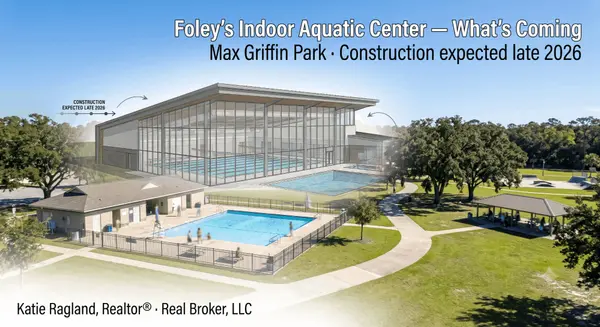
Indoor aquatic center: Foley plans a year-round indoor aquatic center in Max Griffin Park, near the existing outdoor pool. Bids are expected to go out later in 2026, with construction projected to take about 19 months. The outdoor pool stays open during construction and is planned to be replaced afterward with a new facility such as a pavilion or splash pad.
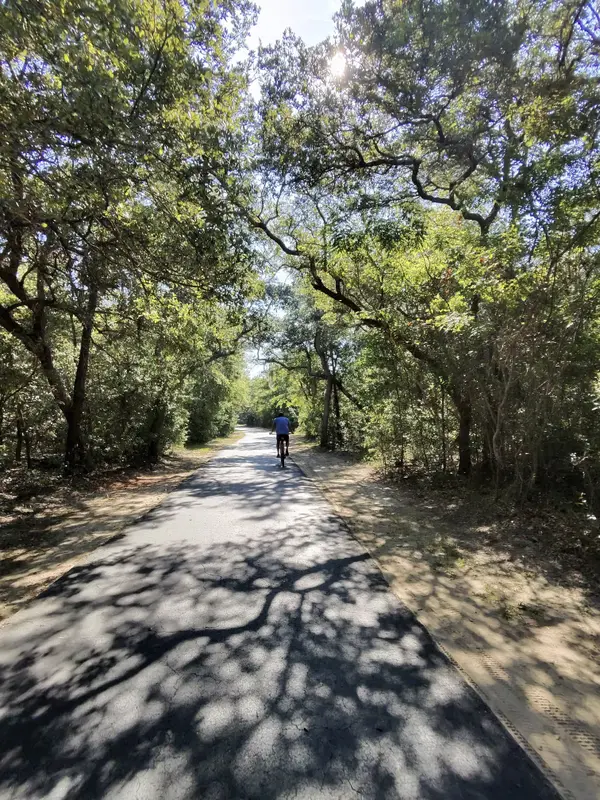
Wolf Creek Park boardwalk and nature park upgrades: Foley is advancing improvements at its nature parks — new restrooms, a pavilion, and trail signage — and plans to seek grant funding for a boardwalk at Wolf Creek Park. For anyone who values trails and outdoor access, this is the infrastructure that determines whether you actually use a park or just drive past it.
Magnolia Walk mixed-use development: Developers of the 99-acre Magnolia Walk parcel, at the Foley Beach Express and County Road 20 intersection, brought four requests before the Foley Planning Commission, including signage and plans for a mixed-use commercial and residential development.
How to read a growing town before you move
Here's the practical framework I share with clients researching Foley from a distance. Big-ticket projects tell you a town is spending money and planning for growth. But the everyday layers — a bigger library, a new restaurant in an old building, a resident-funded arts program — tell you what kind of place that growth is producing. When infrastructure, dining, and community investment all move in the same window, that's a pattern worth trusting.
When you evaluate a neighborhood, separate what can change from what can't. Finishes, paint, and fixtures inside a home are adjustable. What's fixed is location: how far you are from the water, the trails, the downtown you'll actually use. Measure those in miles and in how often you'd realistically go. That's the part that decides whether a place feels like home a year in.
Thinking about a move to Foley or anywhere along the Alabama and Florida Gulf Coast? I'm licensed in both states and work this stretch of the coast — from Elberta and Foley to Perdido Key — every day. I'm happy to walk you through neighborhoods, timelines, and what these projects mean for the areas you're considering.
Katie Ragland, Realtor® · Real Broker, LLC. Call or text, or find everything at linktr.ee/katieraglandrealtor®.
Categories
Recent Posts