First-Time Buyers Are Only 21% Right Now. Here’s How You Still Buy a Home Without Doing Anything Reckless.

If you’ve been trying to buy your first home lately and it feels like everyone else has a cheat code… you’re not imagining it.
According to the National Association of REALTORS® 2025 Profile of Home Buyers and Sellers, first-time buyers made up just 21% of purchases — the lowest share on record. The typical first-time buyer is now 40, and the median first-time buyer down payment hit 10% (the highest level recorded since 1989).
Translation in normal-human language: lots of buyers have more cash, more equity, or more time… and first-timers are having to get smarter to compete.
So let’s talk about what to do with that information — especially here on the Gulf Coast, where “the house” is only part of the monthly payment (hello, insurance).
What those stats actually mean for you
This doesn’t mean “give up until rates drop” or “wait for a crash” or any other guru nonsense.
It means:
-
You need a plan (not just a Zillow habit).
-
You need to be payment-focused, not “max-price” focused.
-
You need to do a few steps earlier than buyers used to.
Here’s the exact game plan I walk first-time buyers through.
Step 1: Shop your monthly payment, not the purchase price
On the Gulf Coast, your payment isn’t just principal + interest.
It can also include property taxes and insurance — and insurance can be a big swing factor depending on the property.
Before you fall in love with a house, get clear on:
-
Your comfortable monthly number
-
Your “this still works but I’ll complain” number
-
Your “absolutely not” number
That’s how you stay confident when negotiations get noisy.
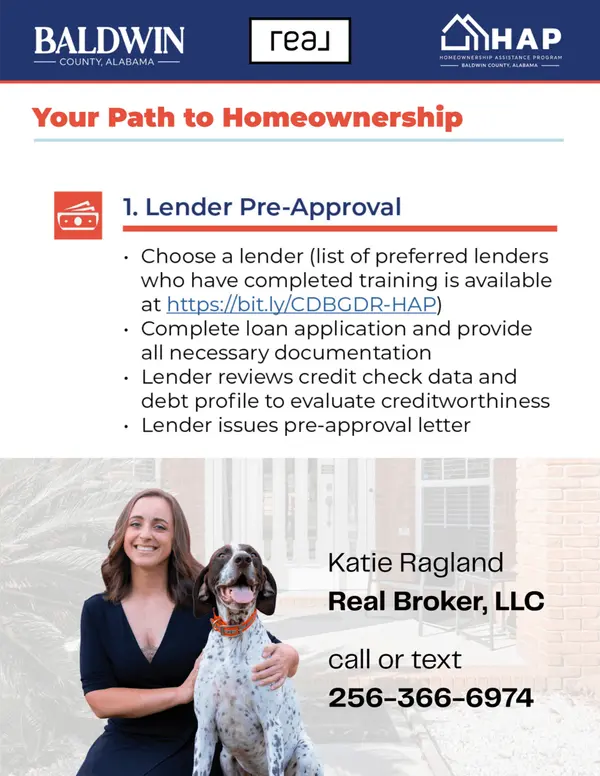
Step 2: Get “underwriting-ready,” not just “pre-approved”
A pre-approval is a start. What you really want is clean, boring, easy-to-verify finances.
Do this early:
-
Gather pay stubs, W2s, tax returns (if needed), bank statements
-
Avoid big new debts while you’re shopping
-
Keep gift funds documented if family is helping (it’s common — 22% of first-time buyers used gifts/loans from family/friends for their down payment)
A smoother file = less stress = more leverage.
Step 3: Build your “coastal must-have list” (and be honest)
I want you to have what you want — but we’re going to separate must-haves from “Pinterest made me do it.”
On the Gulf Coast, your must-haves might include:
-
A roof age you’re comfortable with
-
Features that help with wind/hail resilience (varies by home)
-
A layout that works for your real life (not your fantasy life)
Your nice-to-haves can stay on the list — just don’t let them keep you from buying a solid home.
Step 4: Run insurance numbers before you write an offer
Real talk: insurance surprises are one of the biggest first-time buyer gut-punches I see.
So we don’t guess.
Before you go under contract (or during your inspection window at the latest), you’ll want quotes and clarity on what applies to that property. Use insurance pros of your choice — the point is getting real numbers, early.
This step alone can save you from buying a house you can technically afford… but won’t enjoy paying for.
Step 5: Make your offer “strong” without giving away your protections
A strong offer is not automatically:
-
Waiving everything
-
Taking on unknown risks
-
Agreeing to stuff you don’t understand
A strong offer can be:
-
A clean timeline
-
A reasonable earnest deposit (for your situation)
-
Flexibility where it doesn’t hurt you
-
Clear communication and tight paperwork
You can be competitive and still be smart.
Step 6: Keep a “new homeowner buffer” (because life happens)
Even if the home is in great shape, the first year tends to come with expenses.
I like buyers to plan for a cushion — because being house-poor is not the vibe.
Step 7: Use your agent like a strategy partner, not a door-opener
In the same NAR report, 88% of buyers used an agent or broker and 91% of sellers used an agent (tied for the highest on record).
That tracks with what I see: the process has more moving parts than most people expect — and a good agent helps you:
-
pressure-test the numbers,
-
spot avoidable risks,
-
negotiate without emotion driving the car.
Bottom line
Yes, first-time buying is harder than it used to be.
But “harder” doesn’t mean “hopeless.” It means we do it on purpose.
If you want, I’ll help you build a simple, realistic first-time buyer plan for the Gulf Coast — based on your budget, your timeline, and your non-negotiables (including the hurricane-and-insurance reality we live with here).
—
Want the audio version? Listen to the Keys & Clarity episode here:
https://open.spotify.com/episode/2VmscBPQQYaJEe4SNu0aNh?si=bxL5gLJqTOaMQzsOhV62fw
Katie Ragland / 256-366-6974 / Real Broker, LLC
Categories
Recent Posts