Manufactured Homes in Florida: An Honest Guide for Gulf Coast Buyers
The number stopping most buyers cold on the Florida Gulf Coast isn't the interest rate. It's the sticker price of a site-built home. And when that number gets uncomfortable, a lot of people quietly cross one option off their list before they've ever walked through a single one of them: the manufactured home.
I get it. I know exactly what you're picturing. Let me change the picture — and then walk you through what actually matters before you fall for a listing.
Florida leads the country in manufactured homes
Florida has more manufactured homes than any state in the country — over 824,000 of them, roughly 8% of the state's housing stock. That's not a fringe category. It's a real and established part of how people own here, especially along the Gulf Coast where affordability and coastal demand pull in opposite directions.
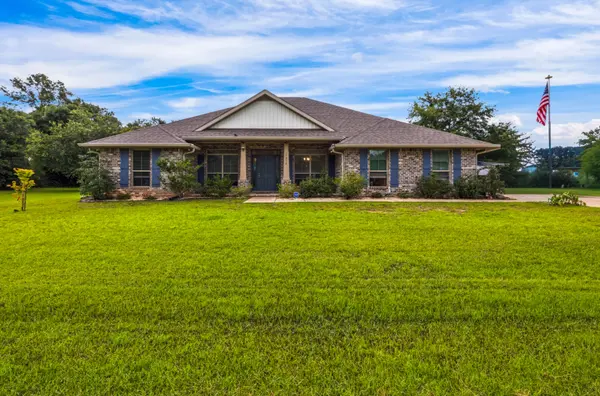
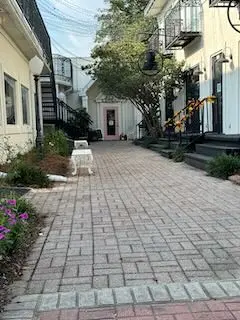
The homes themselves have changed, too. The newer builds come with pitched roofs, covered porches, and open layouts. I've walked into homes and had no idea they were manufactured until someone told me. If the last one you pictured was a narrow single-wide from decades ago, that image is doing you a disservice.
The price gap is real
Here's the part that surprises people. Federal data put the median price for a manufactured home with land at $245,000 at the end of 2025. The median existing home was $417,700 in April 2026, according to the National Association of Realtor®s®. That's not a small gap — it's the difference between qualifying and not qualifying for a lot of buyers.
For a first-time buyer, or anyone trying to get onto the Gulf Coast without stretching past what's comfortable, that spread is worth understanding rather than dismissing.
The myth about value — and why 'owned' is the whole game
The old story is that manufactured homes always lose value. On land you own, that flips. A Realtor®.com report found manufactured homes on owned land gained about 70% from 2019 to 2026 — which actually outpaced single-family homes over the same stretch. Meanwhile, homes on leased lots lagged well behind.
Read that again, because the word 'owned' is doing all the heavy lifting. When you own the land underneath the home, you own an appreciating asset — the dirt, the location, the access. When you're renting the lot in a park, you're exposed to lot-rent increases and you don't own the piece that appreciates. Same house, very different financial outcome. Owning the land is the deciding factor.
The homework nobody explains up front
None of this means you buy blindly. There's real diligence with manufactured homes, and in Florida it belongs in the conversation early, not after you've fallen in love with a listing:
Anchoring and installation. How the home is secured to its foundation matters for both safety and financing. Proper installation is not a place to guess.
Wind zone. Coastal Florida sits in the highest wind zones, and homes are rated for the zone they're built and installed in. This affects what you can place where, and it affects insurance.
Insurance. Manufactured homes are underwritten differently than site-built homes. I'm not here to give you insurance advice — that's a conversation for a licensed insurance professional — but you'll want quotes early so there are no surprises.
Financing. Loan products for manufactured homes work differently, and whether the home is titled with the land changes your options significantly. Again, your lender is the right person to walk you through the numbers, but knowing the questions to ask up front saves you time.
Resale timeline. Manufactured homes can take a little longer to sell than comparable site-built homes, so it's worth thinking about your time horizon.
How I'd actually approach it
Here's how I want you to think about it. Sort what you're weighing into two piles — what you can change, and what you can't. You can change paint, fixtures, and finishes. You can't change the wind zone, the lot, or whether you own the land. Fall in love with the things you can't undo, and do your diligence on the rest.
My job isn't to sell you on a home type. It's to make sure you see the whole picture — the price advantage and the homework — before you commit. If you're researching a move to Perdido Key, Pensacola, or anywhere along the western Florida panhandle, that's exactly the context I walk buyers through so you can weigh the option clearly instead of writing it off.
Questions about buying on the Gulf Coast? Reach Katie Ragland, Realtor® · Real Broker, LLC at or find everything at linktr.ee/katieraglandrealtor®.
Categories
Recent Posts