Moving to the Gulf Coast in Baldwin County, Alabama: Why the Fastest Growth Is Landing Inland (Loxley, Foley & Elberta)
If you're researching a move to the Gulf Coast, you've probably started by looking at the beach. Gulf Shores, Orange Beach, the condos with the balconies over the water. That's a reasonable place to begin. But if you want the honest picture of where people are actually settling — and where a full-time life on the Alabama Gulf Coast is realistically built — you have to look a few miles back from the sand. That's where the growth is. And Baldwin County is the clearest example of it on the entire coast.
I'm Katie Ragland, a Realtor® with Real Broker, LLC. I'm licensed in Alabama and Florida, and I live in Elberta — right in the middle of the band of the county that's filling up fastest. Here's what the numbers show, what it means for a relocation, and how to think about where to actually land.
The fastest-growing Gulf Coast town has no beach
According to a WorldAtlas roundup of where people moved along the Gulf Coast between 2024 and 2025, the top of the list is Loxley, Alabama — up roughly 18.7% in a single year. That's faster than any beach town on the whole coast, and Loxley isn't on the water at all.
The reason sits at a highway junction. Loxley is where Interstate 10 crosses Highway 59, and that interchange is why the town is booming. From there, drivers can reach Mobile to the west, Pensacola to the east, and Foley and the Gulf Shores beaches to the south. That access has pulled in distribution centers and warehouses that serve the wider Mobile Bay region, and homebuilders have followed the jobs onto land that stays cheaper than the shoreline. In the same window, Baldwin County added 6,012 residents through net domestic migration.
The takeaway for a buyer: the fastest growth on the coast is chasing access and attainable new construction, not a beachfront address.
Foley: the everyday hub of southern Baldwin County
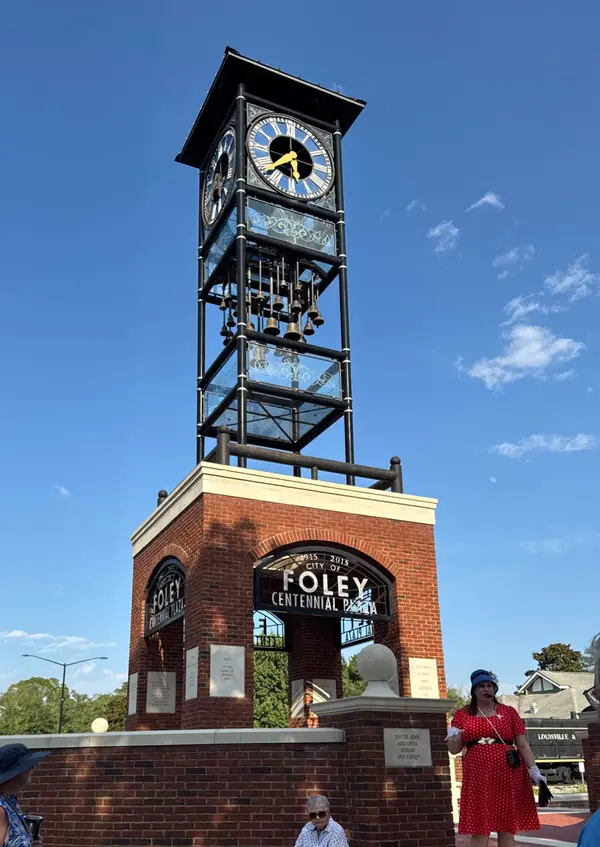
A little further south, Foley pushed past 30,000 residents on about 7.8% growth, and it has become the commercial center for much of southern Baldwin County. If you move to this part of the coast, Foley is likely where a lot of your week happens.
What's actually there:
South Baldwin Regional Medical Center for healthcare. Major supermarkets and Tanger Outlets for shopping. A restaurant corridor building out along Highway 59. The Foley Sports Tourism Complex, which runs youth tournaments much of the year. And OWA Parks and Resort on the east side, with an amusement park, an indoor water park, a hotel, and an entertainment district.
Gulf Shores sits about 12 miles south. That distance is the point: it's close enough that the beach is a normal weekend outing, and far enough that Foley skips the heaviest beachfront congestion. For anyone picturing full-time coastal living, that gap is a feature, not a drawback.
Elberta and the inland band: what living a few miles back actually feels like
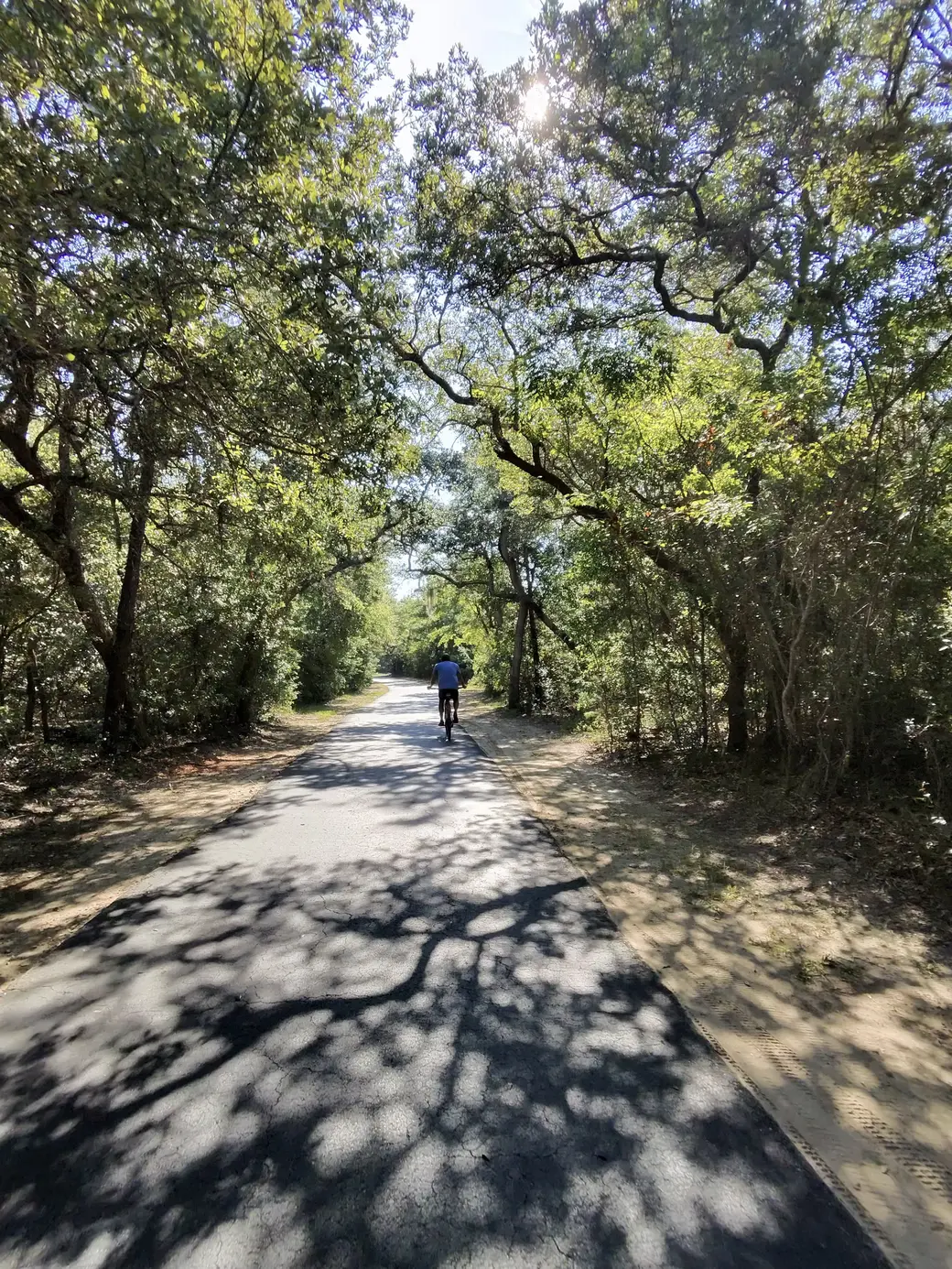
I live in Elberta, which sits right in the middle of this pattern, so I'll speak from my own front porch. Living a few miles back from the water year-round means quieter mornings, a shorter and calmer path to put a kayak in, and daily errands that don't involve fighting summer beach traffic. The Gulf is genuinely part of the week — measured in miles, not in a two-hour parking ordeal you only attempt twice a summer.
This is the part relocation research usually misses. The coast supplies the lifestyle people come for. But the housing, the jobs, and the full-time community are landing inland, where the land is cheaper and new subdivisions are going up. You get the water on your day off and a functioning town for the rest of it.
How to research where to live before you move
Here's the framework I walk clients through, and you can start it from anywhere in the country.
Start with your week, not the beach. Where will you work? Where will you buy groceries and get healthcare? How far are you genuinely willing to drive for the parts of life that repeat every week? Answer those first and the map reorganizes itself.
Measure in miles. Instead of thinking about a place as "close" or "far," pin down the actual mileage from a candidate home to the things you'll use most — the grocery run, the medical center, the kayak launch, the beach.
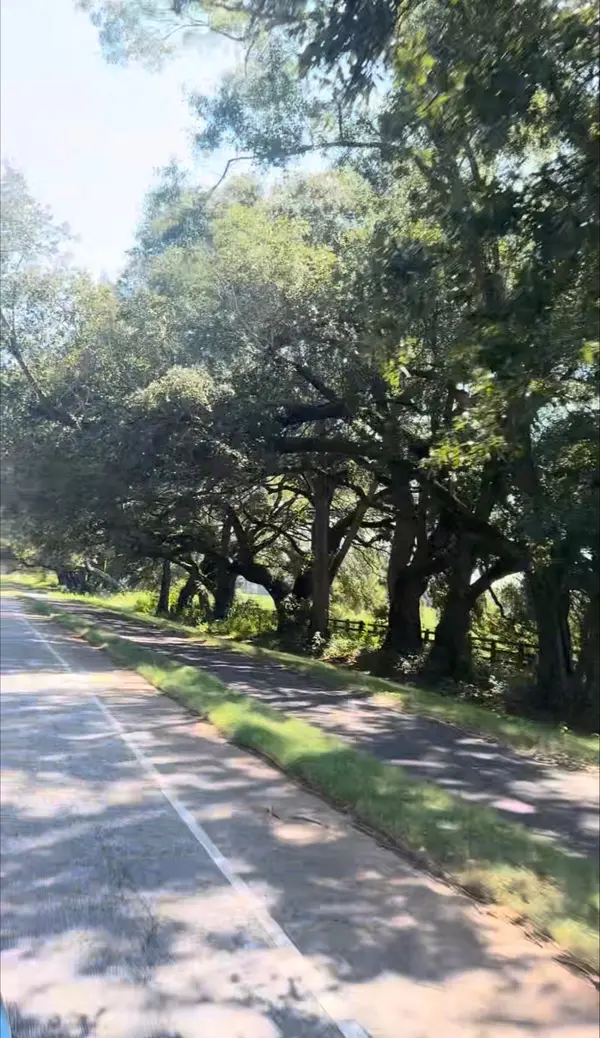
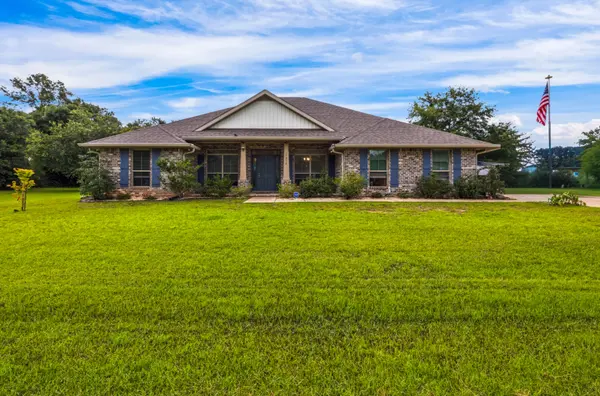
Weigh new construction against established areas. The inland band has a lot of newer subdivisions on cheaper land. Older parts of the county trade newer finishes for larger lots and mature trees. Neither is better; they're different, and the right one depends on your week.
Remember the 12-mile logic. In this county, a short inland buffer between you and the shoreline usually buys you a calmer daily life without giving up beach access.
The bottom line for a Gulf Coast move
The migration data and my own daily life are telling the same story. The beach is the reason people come to the Gulf Coast. The full-time life is landing a few miles back from it — in Loxley, in Foley, in Elberta and the inland stretch of Baldwin County. For most people planning a move, that's not a compromise. It's the actual answer, and it's a good one.
If you're weighing a relocation to the Alabama Gulf Coast — whether you're a first-time buyer, a military family on orders, or coordinating a sale and a purchase at once — I'm glad to help you match the map to your real week.
Katie Ragland, Realtor® · Real Broker, LLC. Licensed in Alabama and Florida. Call or text 256.366.6974, or start at linktr.ee/katieraglandrealtor.
Categories
Recent Posts