Mortgage Rates Hit a 2025 Low: What That Actually Means for You Now in 2026
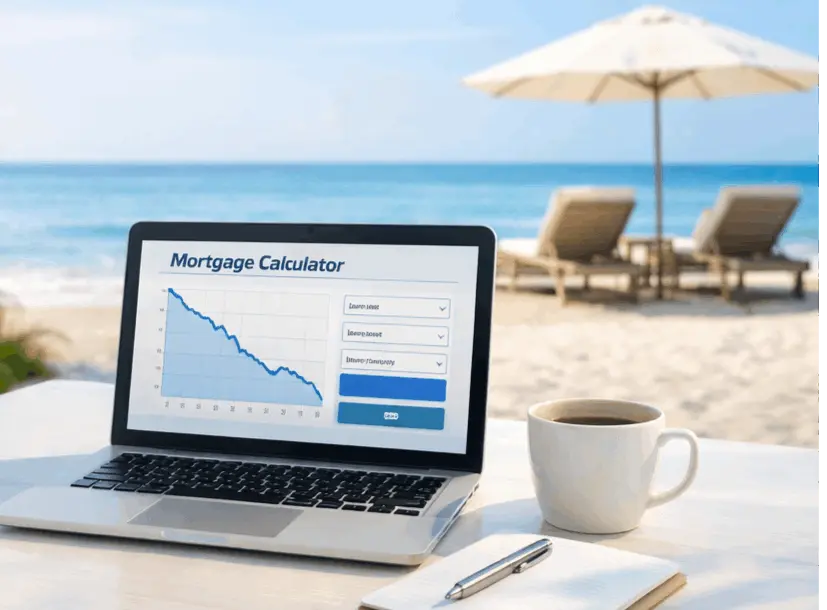
Opening question: Mortgage rates dipped—so should you buy now, refinance, or just ignore the noise?
Snippet answer: Rates dropping is helpful, but it’s not a magic wand. The smart move is using the dip to tighten your numbers, improve your options, and make decisions based on your monthly comfort—not headlines.
What happened (in plain English)
Freddie Mac reported the average 30-year fixed mortgage rate fell to 6.15%, the lowest point of 2025, and the third straight week of declines. Homes.com
The 15-year fixed also fell to 5.44%. Homes.com
There’s also a daily-rate world (more jumpy). Mortgage News Daily had the 30-year around 6.2% and the 15-year around 5.76% earlier that same week. Homes.com
Why a small rate change can still matter
Even a “not huge” drop can:
-
Improve your buying power a bit
-
Reduce your monthly payment options
-
Pull some buyers off the sidelines (which can mean more competition)
But it doesn’t automatically make a home “affordable.” That part still comes down to price, down payment, insurance/taxes, and your comfort level.
Gulf Coast reality check: payment math includes more than the rate
If you’re buying along the Alabama/Florida Gulf Coast, your monthly payment isn’t just principal + interest.
You’ll also want to plan for:
-
Homeowners insurance (and potentially wind coverage)
-
Flood insurance (depending on location/lender requirements)
-
Property taxes
-
HOA dues (common in condos/townhome communities)
None of that is meant to scare you—just to keep you from falling in love with a payment that’s missing half the ingredients.
If you’re thinking about buying in early 2026, do these 5 things
1) Re-run your numbers (even if you already did)
If you were pre-approved when rates were higher, it’s worth updating your estimate. Your budget might not change dramatically, but your options might.
2) Shop for your payment, not the headline rate
A 6.15% average doesn’t mean that’s what you get. Your credit, down payment, property type, and loan program matter.
3) Ask about rate-lock strategy like a normal human
You don’t need to be a Wall Street wizard. Just ask:
-
“How long can I lock?”
-
“What’s the cost difference between locking now vs later?”
-
“If the rate drops after I lock, do I have a float-down option?”
4) Keep your comfort zone the boss
If a payment makes you feel tight every month, it’s not a win—even if the rate is lower than last month.
5) Focus on controllables (because the headlines never stop)
You can’t control interest rate swings. You can control:
-
Your debt-to-income ratio
-
Your down payment plan
-
Your documentation readiness
-
Your “must-have vs nice-to-have” list
If you’re a homeowner: should you refinance now?
A rate dip can be a signal to check in, but it’s not an automatic “YES.”
Refi makes sense when it improves your real life—monthly cash flow, loan term, or both—after closing costs. If you’re curious, the first step is simply running the math.
Final takeaway
Rates dipping is good news… but only if you use it to get clearer and more prepared. If you want a zero-pressure game plan for buying or refinancing on the Gulf Coast, I’m happy to help you map it out like a normal person.
Next Steps
Want me to sanity-check your numbers and talk through a smart next step (buy, wait, refi, or “stop reading headlines at midnight”)? Message me and tell me what you’re trying to do in 2026, and I’ll help you build a simple plan.
Katie Ragland / 256-366-6974 / Real Broker, LLC
Categories
Recent Posts